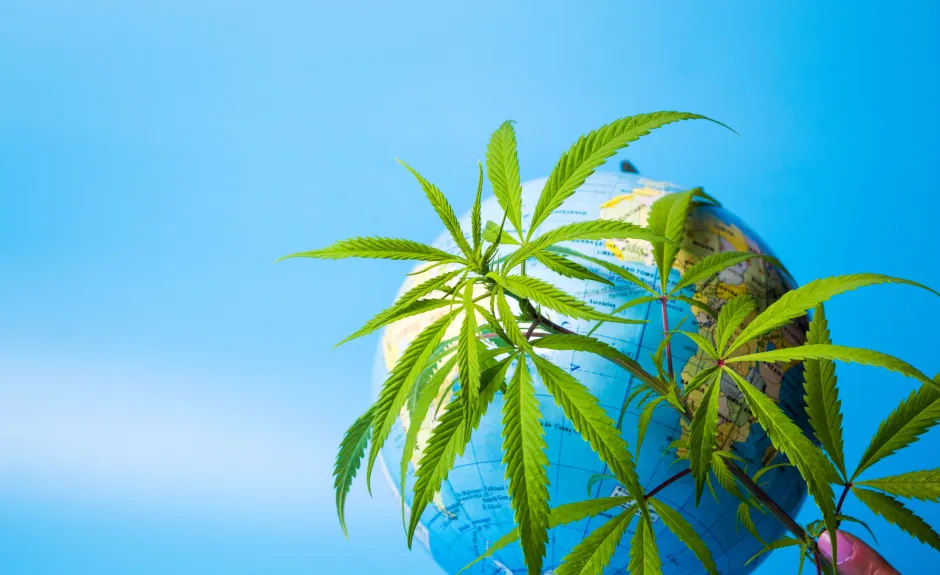
Cannabis legalization has GMP manufacturing become one of the most dynamic and evolving areas of law worldwide. From strict prohibition to full legalization for recreational use, countries and states vary widely in their approach. This article provides a comprehensive overview of the current global legal landscape surrounding cannabis, highlighting key trends and implications for users, businesses, and policymakers.
Historical Context
For much of the 20th century, cannabis was globally criminalized, largely influenced by international treaties and drug control conventions. However, shifts in public opinion, medical research, and economic interests have led to a reevaluation of cannabis laws in recent decades.
Categories of Cannabis Legalization
- Full Legalization
Countries like Canada, Uruguay, and parts of the United States (e.g., California, Colorado) have legalized cannabis for both recreational and medical use. These regions regulate the production, sale, and consumption of cannabis with age restrictions and licensing systems. - Medical Cannabis Legalization
Many countries allow cannabis for medical purposes only, under strict regulations. Examples include Germany, Australia, and Israel, where patients can access cannabis with a prescription. - Decriminalization
Decriminalization reduces or eliminates criminal penalties for possession of small amounts, often replacing them with fines or civil penalties. Portugal and the Netherlands follow this model. - Strict Prohibition
In many parts of Asia, the Middle East, and Africa, cannabis remains illegal, with harsh penalties for possession and trafficking.
Emerging Trends
Expansion of Medical Programs: More countries are introducing medical cannabis frameworks.
CBD Regulation: CBD products are increasingly regulated separately due to their non-psychoactive nature.
Social Equity Initiatives: Some regions prioritize licensing for communities affected by previous cannabis criminalization.
International Treaty Reforms: The UN and other bodies are reconsidering cannabis scheduling and regulations.
Implications for Stakeholders
Consumers: Legalization improves safety, quality control, and access, but users must stay informed about local laws.
Businesses: Legal markets create economic opportunities but face complex compliance challenges.
Policymakers: Balancing public health, economic benefits, and social justice remains a key challenge.
Conclusion
The legal landscape of cannabis is diverse and rapidly changing. Staying informed about developments worldwide is essential for all stakeholders to navigate this evolving sector responsibly and effectively.
 Site Title